A Beginner's Guide to Cycling UK Canal Towpaths and Woodland Links
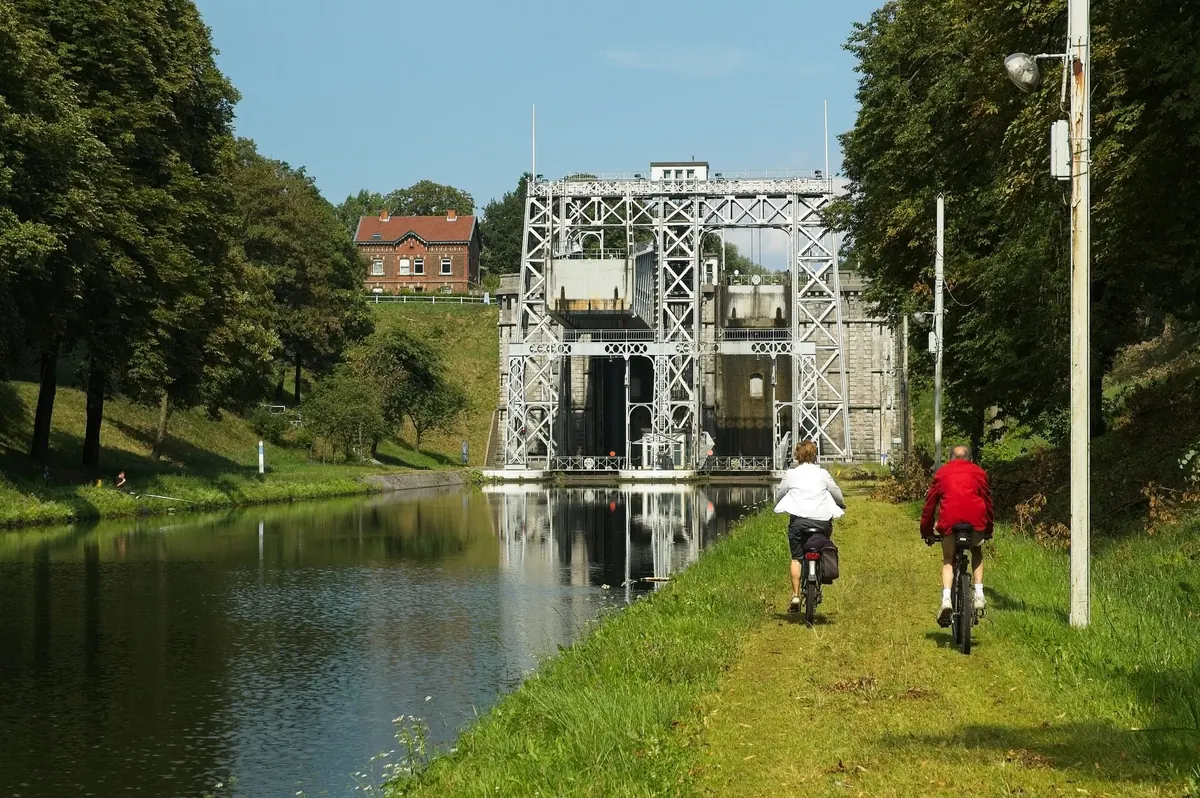
A canal towpath is one of the few places in Britain where you can ride for miles without a car passing you. Add the woodland links and former railway lines that often join a canal, and a short trip can feel properly away from things. The catch is that these routes were never designed for bikes. Surfaces change without warning, gates interrupt the flow, and you share the path with walkers, anglers, dogs and the occasional heron. Learn to read them and they quietly become the best riding you do all week.
Start with the surface, not the map
Most beginner route lists give you a distance. What they should give you is a surface. Ten miles of smooth tarmac towpath is a gentle afternoon. Ten miles of wet grass with tree roots underneath it will leave a new rider tired and tense, and put them off for a year.
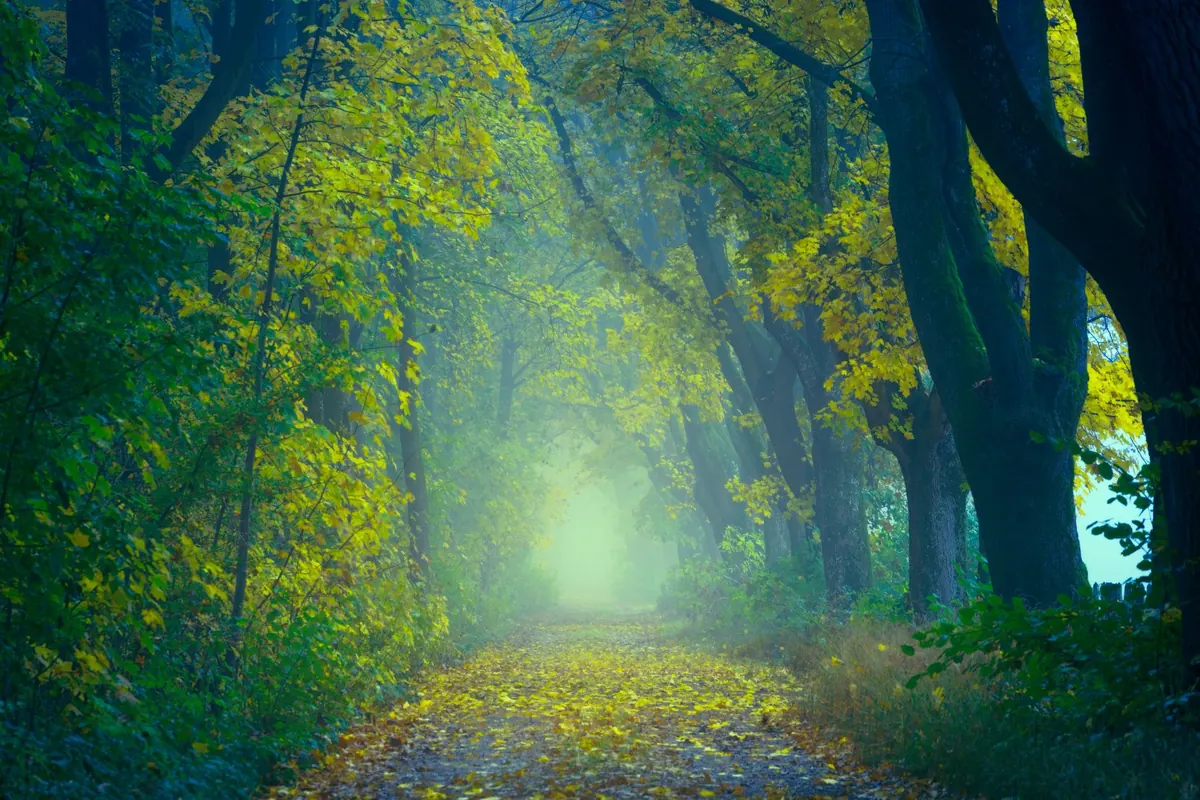
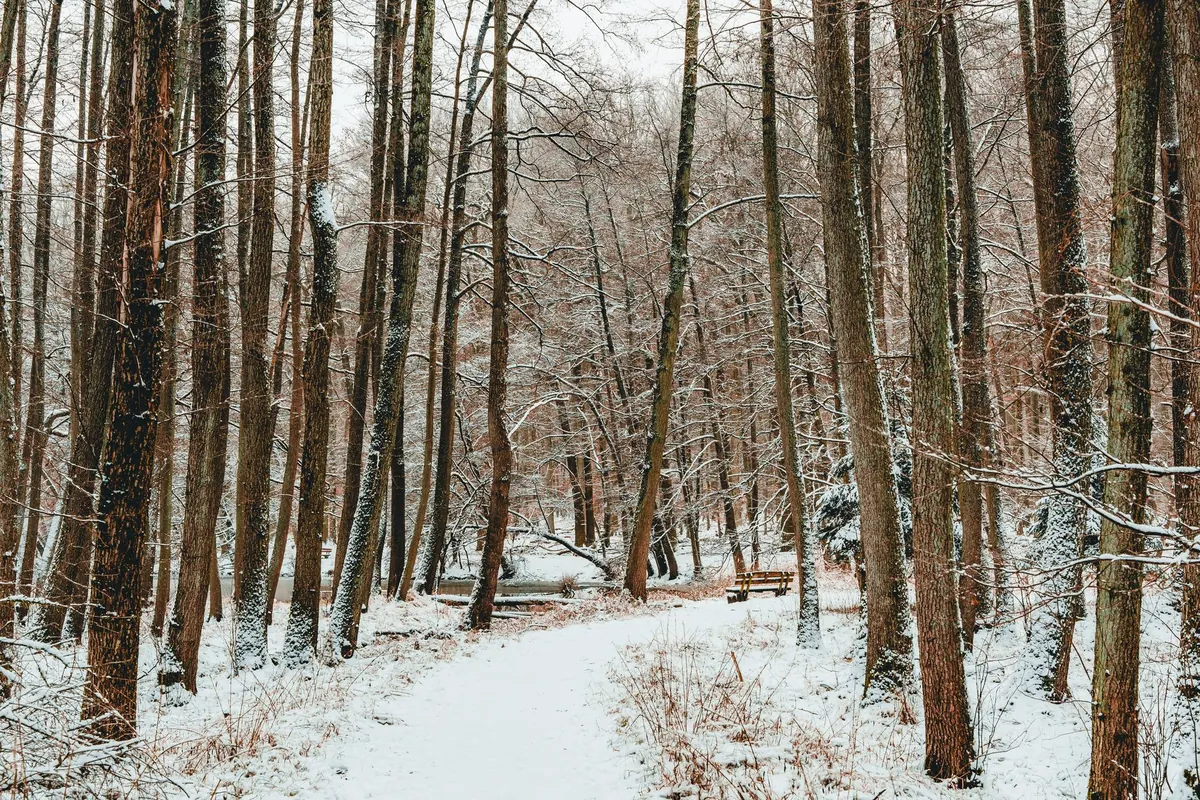
Towpath surfaces vary enormously, often along a single waterway. You will meet sealed tarmac, compacted grit, cracked concrete, mown grass and, after heavy rain, clay that grabs your wheels and refuses to let go. Woodland links add leaf litter over roots, sandy patches that swallow your front wheel, and short sharp climbs that a canal never has.
- Tarmac or sealed towpath — the easiest riding. Usually found near towns, so expect walkers, dogs, buggies and café stops.
- Compacted grit or gravel — fine in dry weather on tyres 32mm and wider. Slower and looser after rain.
- Grass and bare earth — drains badly and hides ruts. Lovely in a dry summer, hard work in February.
- Woodland singletrack — roots, stones and mud. Worth saving until your confidence and your tyres have grown.
Choosing a route for a first season
Measure your early rides in time rather than miles. An hour of steady pedalling, with a stop, is a proper day out when you are starting. Distance becomes meaningless once mud, gates and a headwind are involved.
Look for these things when you plan:
- An out-and-back first. Turn around when you have had enough, rather than being committed to finishing a loop.
- A station or car park midway. A bail-out option removes most of the anxiety from a first ride.
- Few locks and no long tunnels. Lock flights bring steps, narrow gates and sudden gradients. Tunnels need lights and nerve.
- Confirmed access. Cycling is allowed on most canal towpaths, but individual stretches can be closed to bikes and some bridges have steps rather than ramps. Check the relevant canal authority's local notices before you go. Forest roads and waymarked trails in public forests are usually open to bikes, but private woods and estates often are not.
- Options to extend. A canal with a woodland or old railway link branching off gives you a longer ride later without any new planning.
Shared-path etiquette, in plain terms
Towpaths are narrow, and most people you meet have every right to be there. The whole code comes down to one idea: the person moving faster gives way.
Ride at the speed you would want someone to pass your own family at. Then halve it.
- Slow to walking pace around pedestrians — or stop and let them pass if the path is tight.
- Use a bell or a calm "excuse me" from well back. A bell rung right behind someone makes them jump, and startled people step sideways into your path.
- Pass on whichever side has room. Towpaths are too narrow for left-and-right rules to mean much.
- Give anglers and moored boats plenty of space. Rods reach across the path, and mooring lines cross it at ankle height.
- Announce yourself before blind corners, bridge underpasses and lock gates.
- Watch children and dogs. A dog on a long lead can cover the full width of a towpath in a second.
- Leave gates as you find them, and take everything home with you.
Setting up your bike for mixed surfaces
Tyres and pressure
Something around 35–40mm with a light tread is the sweet spot for towpaths and easy woodland. It rolls well on tarmac and still copes with grit and roots. Let a little air out for rough sections so the tyre absorbs bumps instead of your wrists, but not so much that you risk pinching the tube on a kerb or a stone.
Saddle height and reach
Set the saddle high enough that your knee is almost straight at the bottom of the pedal stroke. A saddle that is too low is the single most common reason beginners find hills, grass and headwinds so tiring. Keep your arms relaxed and your grip loose; if you are stretching to reach the bars, the bike is too long for comfortable towpath riding.
Brakes, gears and the small things
Check your brakes before every ride — squeeze the levers and look at the pads. Change gear early on grass and gravel, before you slow down rather than after. Mudguards keep grit out of your eyes and off your back. A bell, a bottle cage and lights for shaded sections and tunnels round off the basics. A helmet is not a legal requirement in the UK, but on wet roots it is a sensible choice.
What to carry
- Water and a snack — more than you think you need on a warm day.
- A spare inner tube, tyre levers and a small pump.
- A multi-tool and a couple of cable ties.
- A phone with an offline map downloaded, and a power bank in cold weather.
- A lightweight waterproof and a thin pair of gloves.
- A small first aid kit, and a lock if you plan to stop for lunch.
Your first ride, step by step
- Pick a dry week. Check the forecast the night before and again in the morning; a towpath that was firm on Saturday can be a mud bath on Sunday.
- Choose two hours, not a distance. Load the bike, check the brakes and tyres, and set off.
- Ride out for half an hour, then turn around, even if you feel strong. The way back always takes longer.
- Start into the wind if there is any. It is far better to have it help you home.
- Stop when you want to. Look at the heron, eat the flapjack, sit on the lock beam. That is the point of riding here.
- Note the surface and the gates on the way back, so next time you know exactly what you are choosing.
Do that a few times and you will start to read canal and woodland routes the way experienced riders do — by what the path is made of, not how far it goes. If you are new to exercise or returning after illness or injury, it is worth a word with your GP before you build up the miles.
Photo: Emmanuel Codden / Pexels