October 08, 2026


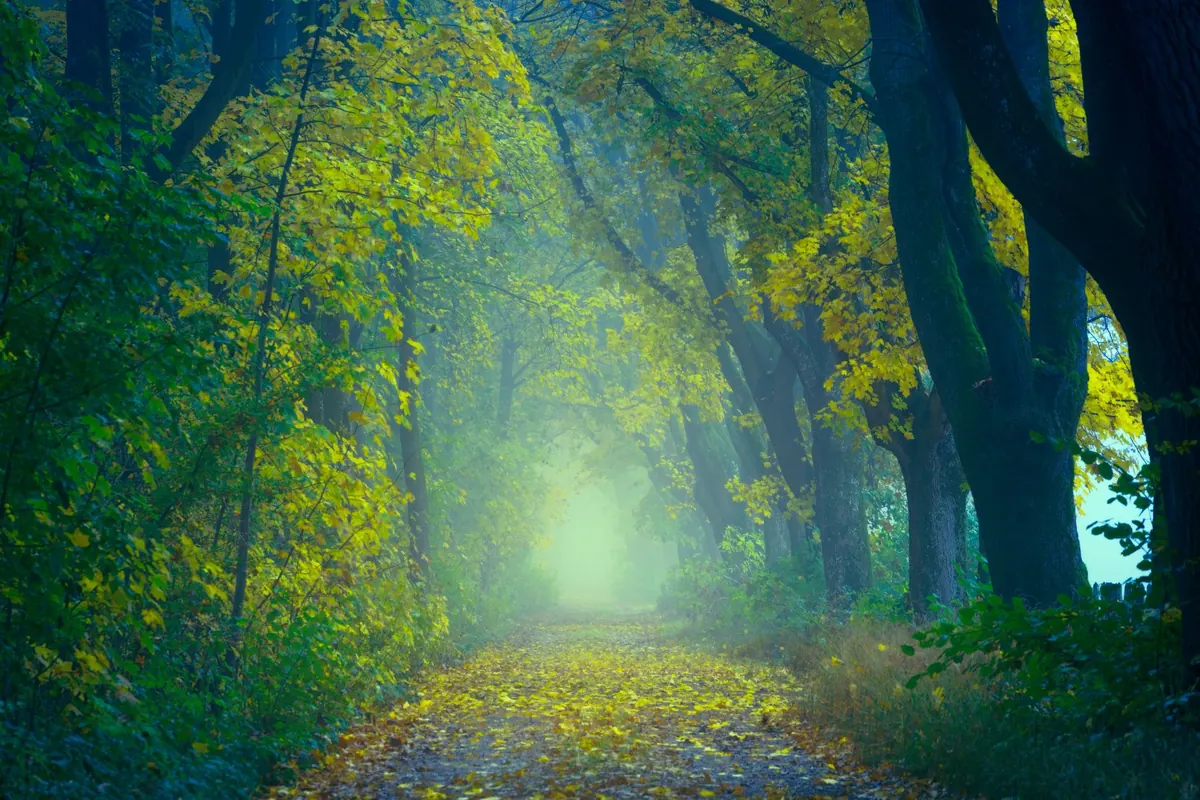
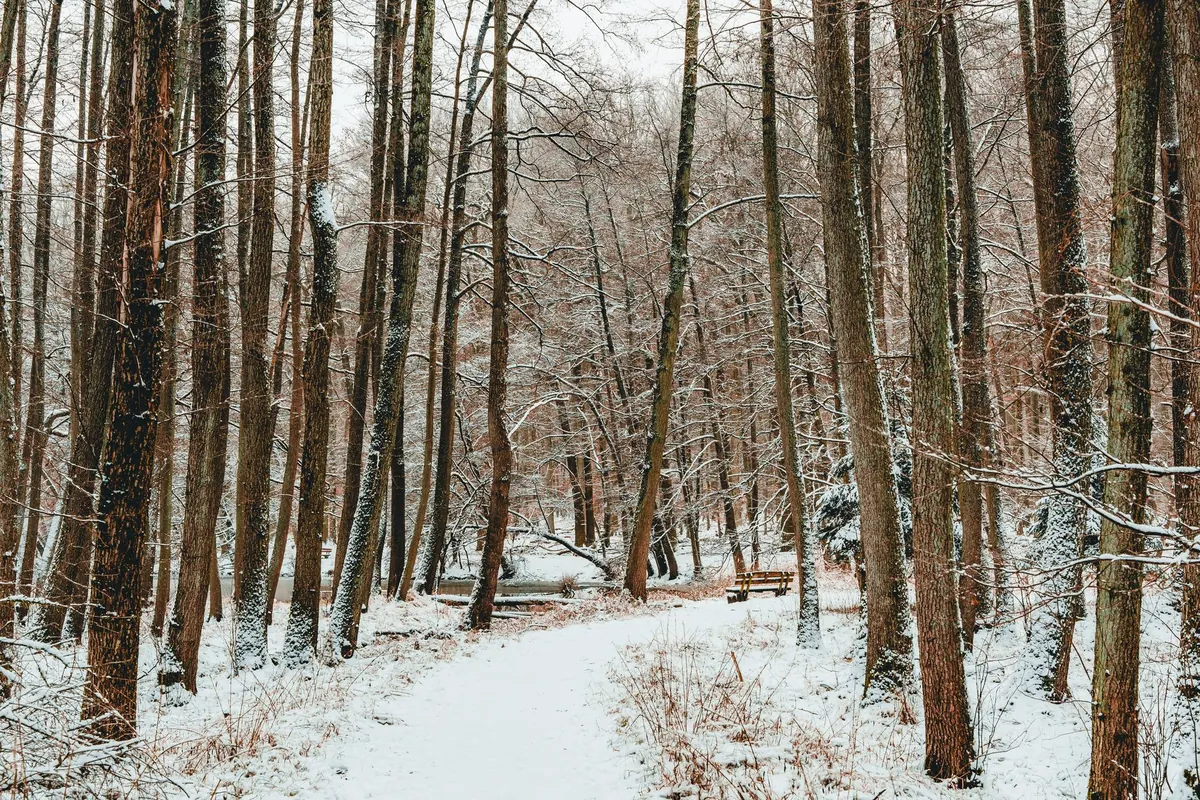
A forest trail on a quiet weekday morning is one of the best places to learn to ride a mountain bike. The surface is usually forgiving, the climbs are short, and there is almost always a way back to the car park that does not involve a technical descent.
Green-graded trails in UK forests are built for exactly this. You do not need an expensive bike, a racing background or a wardrobe of technical clothing. You need a bike that fits, brakes you trust, and a rough idea of how to use both.
Most beginners ride with the saddle far too low, which makes every climb harder than it needs to be. Sit on the bike, put your heel on the pedal with the crank at the bottom of its stroke, and adjust until your leg is almost straight with a slight bend at the knee. When you ride with the ball of your foot, that height will be about right.
Check your tyre pressure before every ride. There is a recommended range printed on the sidewall of most mountain bike tyres: start near the lower end of it for forest trails. Pumped up hard, the front wheel skips off roots and gravel and the ride feels nervous. Too soft and you risk pinching the inner tube on a rock.
Brake levers should sit so that one finger can reach the end of each lever comfortably. If you have to reach for them, move them inboard along the bar.
A two-minute check saves a long push home:
Stand with your pedals level rather than one down and one up. That gives you clearance over roots and lets you shift your weight without catching a pedal on the ground.
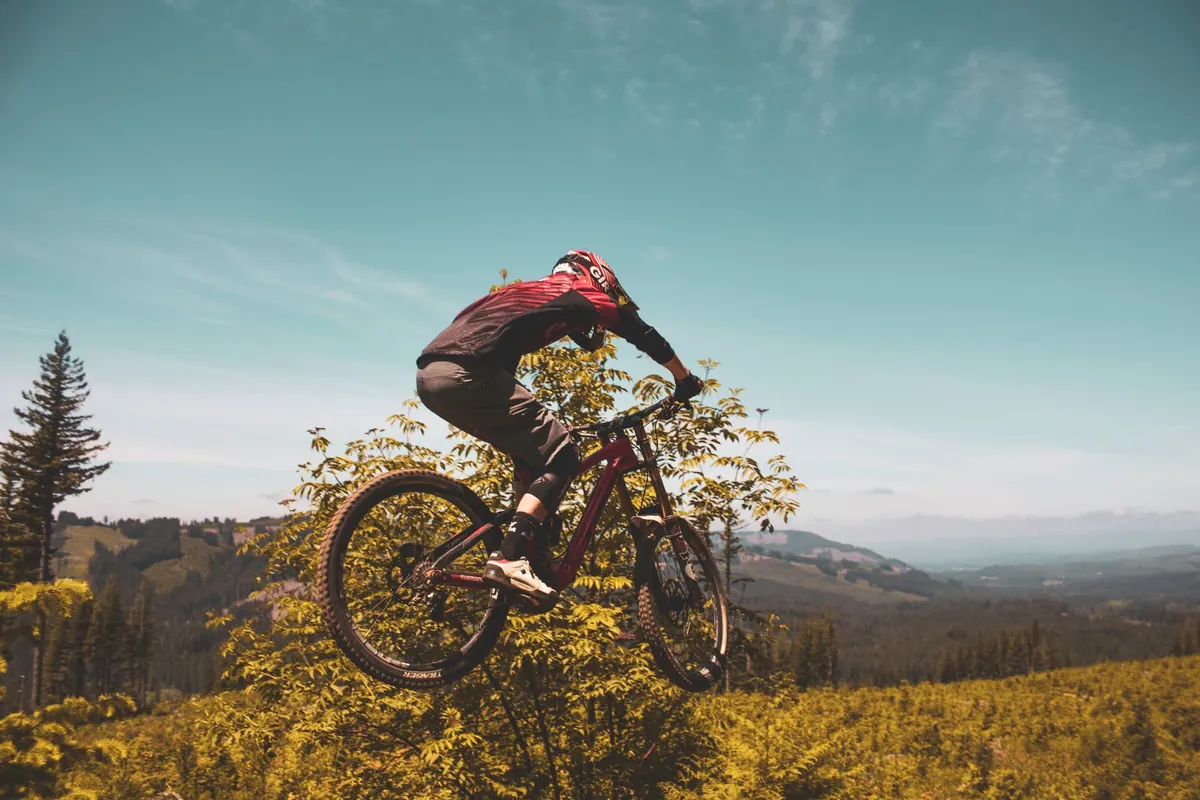
Aim for heavy feet and light hands. Grip the bars, but do not strangle them. Keep your arms and knees slightly bent so your body can absorb bumps, and drop your heels on descents to push your weight back. Most importantly, look where you want to go rather than at the rock you are trying to avoid. Your bike follows your eyes far more than beginners expect.
The front brake does most of the stopping, and on a loose surface it is also where confidence disappears. Two habits will keep you upright.
Pull the levers progressively, adding pressure rather than snatching at them. A locked rear wheel skids dramatically but barely slows you down, and it tears up the trail surface at the same time. Use both brakes together, with a little more on the front.
Do your slowing down in a straight line, then release the brakes and let the bike roll through the turn. Braking mid-corner on gravel unloads the front tyre and it will slide. If you do need to scrub speed in a bend, use the rear brake gently and stay off the front.
Practise on a flat, empty stretch of forest road. Ride in a straight line, brake firmly to a stop, and repeat until a hard stop feels predictable rather than alarming. If you are returning from an injury or have a heart or joint condition, speak to your GP before you start riding regularly.
Forest trails are shared. Almost all of the friction between riders, walkers and horse riders comes down to speed and surprise.
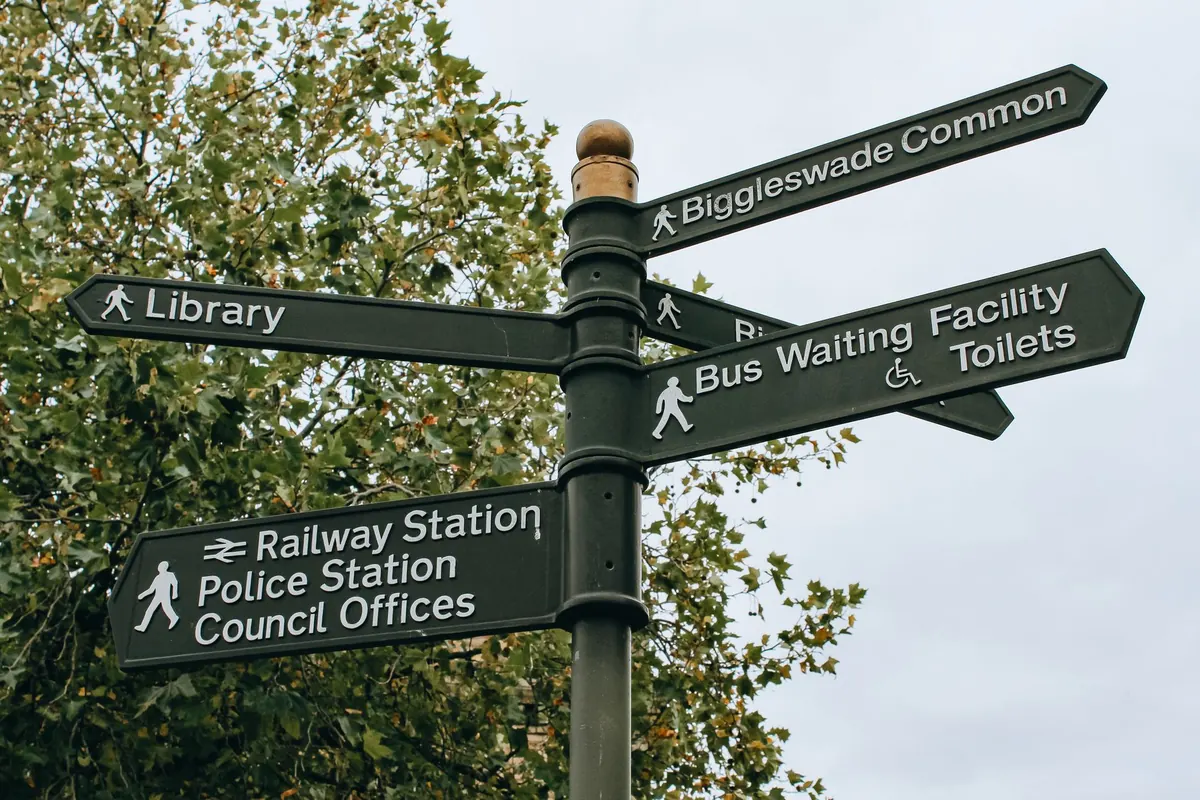
Trail grading in the UK follows a simple colour system: green for easiest, blue for moderate, red for difficult, black for severe. Green routes are usually wide and gently graded, with rolling climbs rather than steep ones, and they are waymarked from start to finish. That signposting is exactly what you want on a first visit.
Before you set off, check a few things:
Do not rush to a blue route because green feels too easy. Ride your chosen loop twice: once to learn it, once to ride it properly.
Keep it short and repeatable. Ride a familiar forest road for half an hour and practise braking. Then ride a green waymarked loop at a trail centre, stopping as often as you like. On the third outing, ride the same loop again and see how much less you need to put a foot down.
Take water, a snack, a spare inner tube, a pump, a multitool and a charged phone. Wear a helmet, layer for the weather, and tell someone where you are going and when you expect to be back. Check the trail centre or forest website before you travel, as routes close for forestry work, storms and repairs.
That is genuinely all it takes. Forest trails are quiet, well surfaced and rarely busy in the middle of a weekday, and the skills you build on green routes will carry you onto blues far sooner than you think.
Photo: logan hansen / Pexels

Exploring woodland trails, walks, and outdoor adventures..
Copyright © 2026 Larch Loop. All rights reserved. Larch Loop.