October 08, 2026


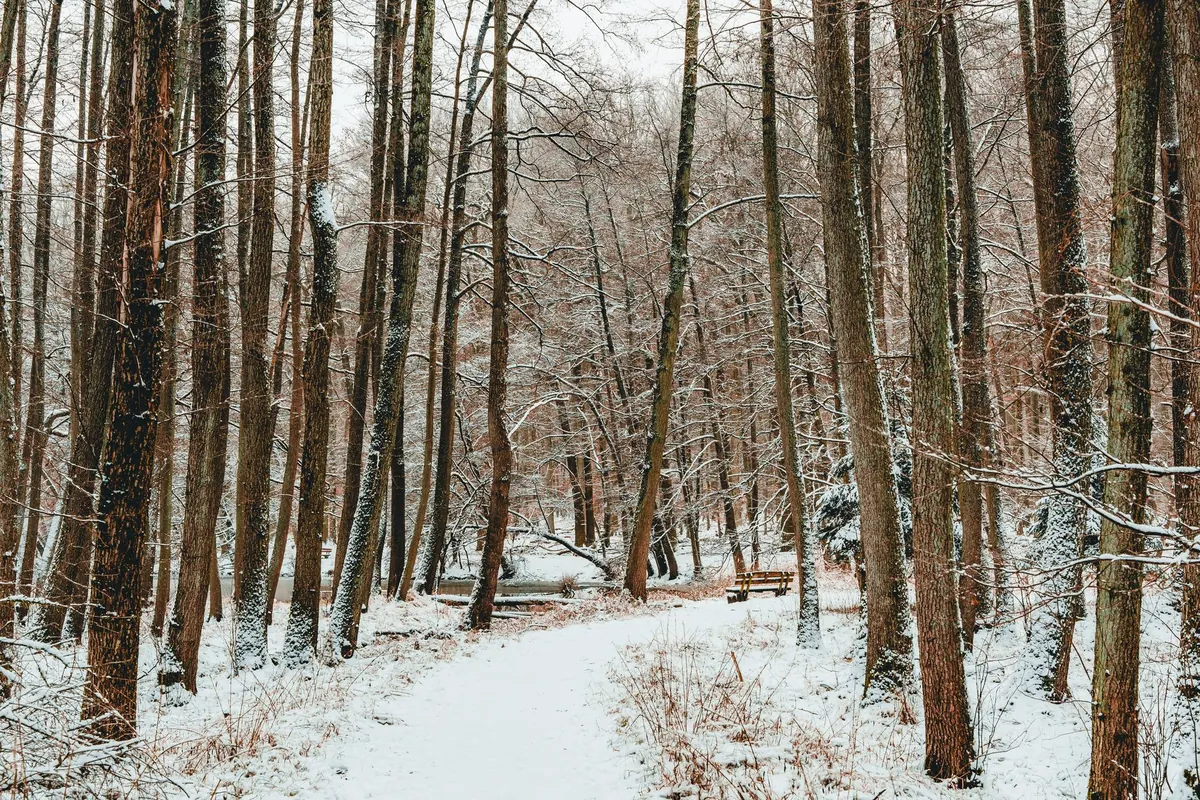
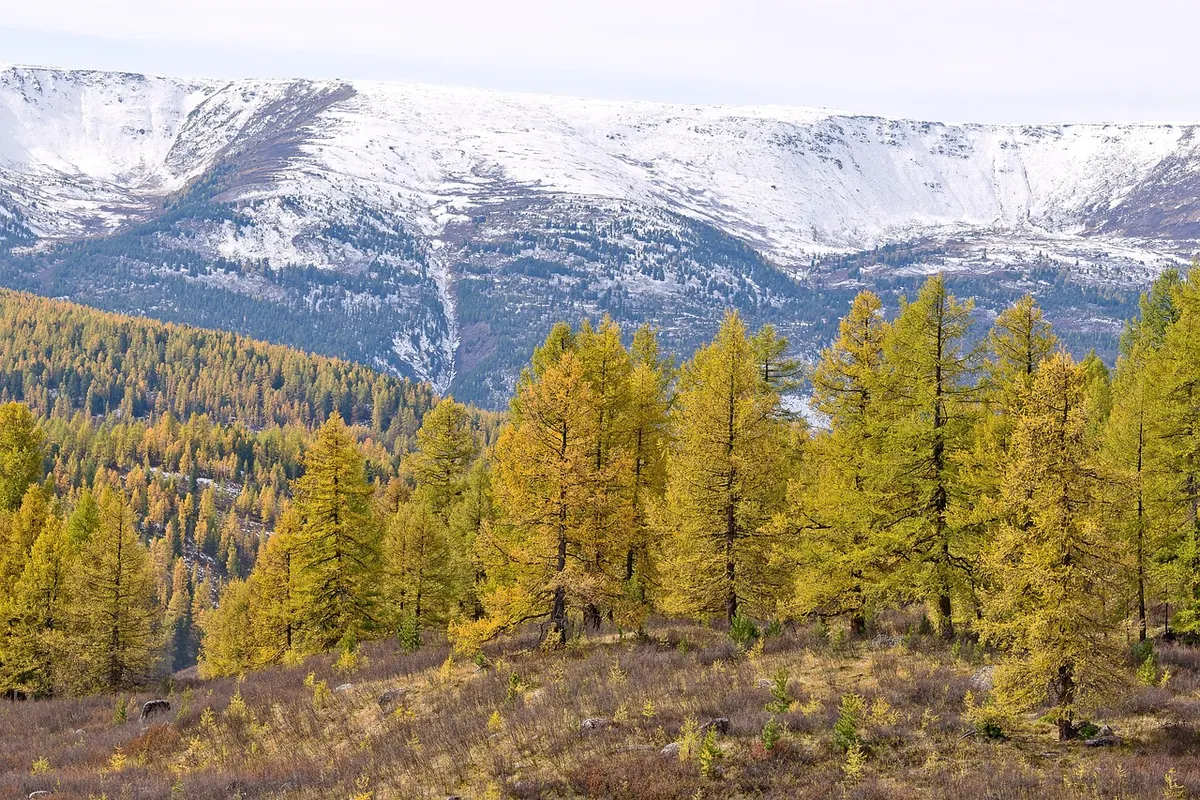
Ask most people what makes a conifer a conifer and they will say the same two things: it keeps its needles, and it stays green. Larches do neither. Every autumn, a larch wood moves through green, lime, gold and bare in the space of about three weeks, then stands through winter like any deciduous tree — all skeleton, no foliage.
It is an odd trick to watch, and the reason for it is more straightforward than it looks. What follows is the science behind the change, how to tell a larch from its evergreen relatives, and where in Britain the display is worth building a walk around.
Through spring and summer a larch needle is packed with chlorophyll, the green pigment that captures light and drives photosynthesis. Chlorophyll is costly to build and costly to hold, and there is no sense in maintaining it through a British winter. As daylight shortens and temperatures fall, the tree begins to withdraw what it can and shut the needle down.
Chlorophyll breaks apart first. As it goes, the pigments sitting underneath it become visible: carotenoids, the yellows and oranges that have been in the needle since May, simply masked by green all summer. At the same time, a layer of cells at the base of each needle — the abscission layer — softens and separates, and the needle lets go.
So the gold is not new. It was there the whole time, waiting for the green to leave.
Evergreen conifers invest in needles built to survive: thick waxy coats, stomata sunk into the surface, and chemistry that keeps tissue working in the cold. That allows them to photosynthesise in early spring and on mild winter days, before most broadleaves have opened a single bud. The cost is that those needles have to endure wind, drought and the weight of snow.
Larches evolved where that trade-off makes less sense: the cold continental forests of Siberia and northern Europe, and mountain slopes with long, hard winters. When the ground is frozen, water is effectively locked away, and a tree carrying a full canopy loses moisture it cannot replace. Shedding the whole canopy solves both problems at once — nothing to dry out, and far less snow to bear. The price is regrowing a full set of needles each spring, which larches do quickly, giving them a head start on slower neighbours.
They are not quite alone in this. Dawn redwood and swamp cypress also shed their foliage, and both are planted in Britain. But among our common woodland conifers, larch is the exception.
Autumn colour is a mix of pigments, and the balance varies by species. Where maples and some oaks manufacture anthocyanins — the reds and purples — larches largely do not. Their palette runs from soft yellow through gold to amber, then rust-brown as the needles dry out. Two larches in the same stand can still look noticeably different, one bright lemon and its neighbour deep bronze.
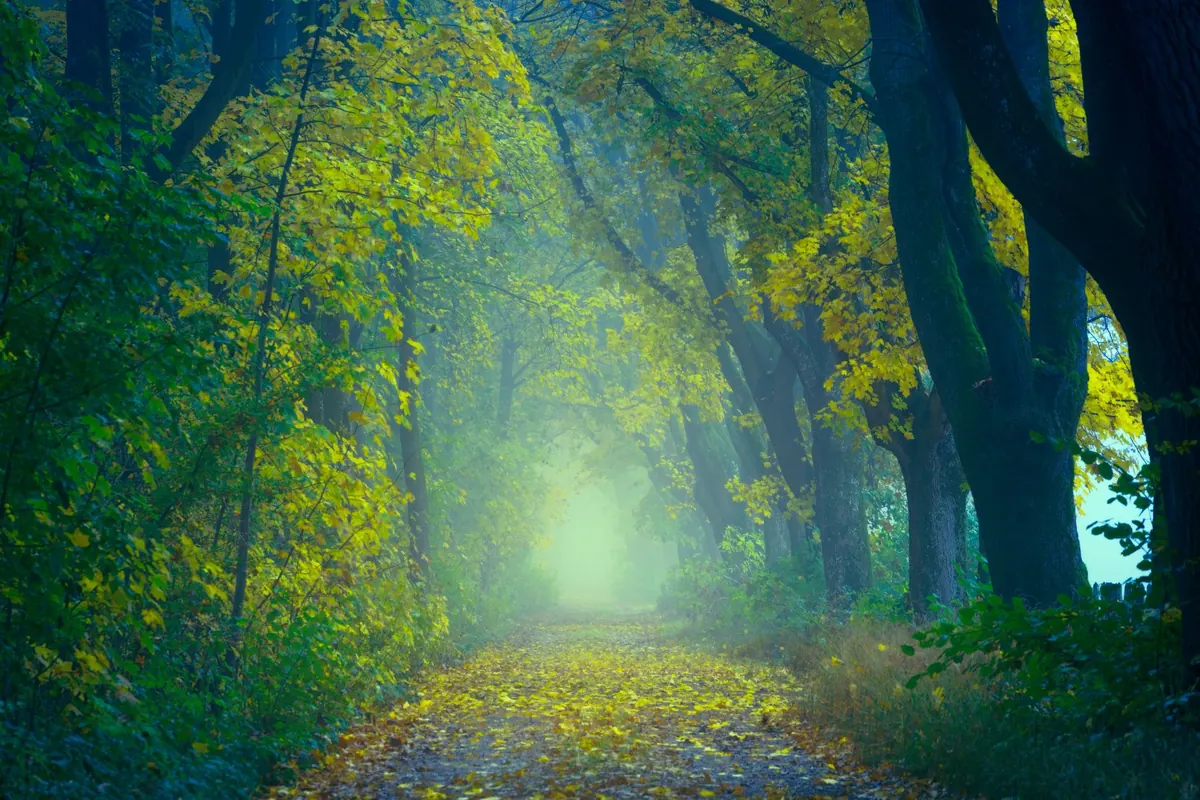
Weather matters as much as species. A gentle autumn with cool nights and decent light tends to produce a clean, glowing display. A hard early frost can brown the needles almost overnight, and a single windy day at peak colour will strip a lot of it. That is why the best week shifts from year to year.
Three larches are common here: European larch, Japanese larch, and the hybrid Dunkeld larch, raised in Perthshire and widely planted for timber. They run on slightly different clocks, which is why a mixed wood can look patchily gold for a fortnight.
Timing first. Colour usually builds from mid-October and is largely over by mid-November. In the Highlands and on high ground, late October is often the peak; further south and at low altitude it can hold into the first fortnight of November, especially in mild western valleys. Frost hollows and north-facing slopes tend to go over first.
Places worth the journey:
Larch in Britain has a serious problem. Phytophthora ramorum, a fungus-like pathogen that spreads in wet, windy weather, kills larch and has led to large-scale felling in parts of south-west Scotland, Wales, Northern Ireland and western England. If you are travelling to a particular wood, check the land manager's website first — some well-known stands have been cleared and replanted with other species. Biosecurity matters too: clean mud off boots and bike tyres before moving between woods, and keep to paths where you are asked to.
The window is short, so a little planning pays off.

Exploring woodland trails, walks, and outdoor adventures..
Copyright © 2026 Larch Loop. All rights reserved. Larch Loop.