October 08, 2026



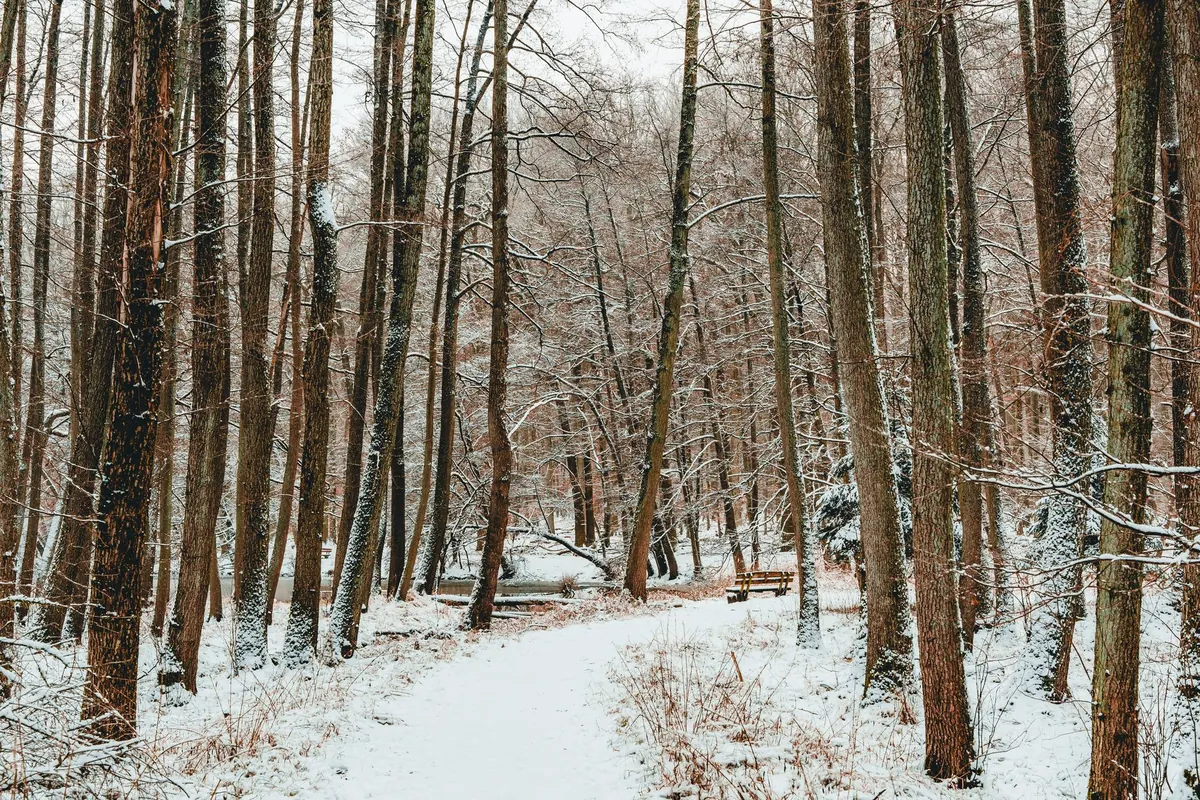
The forecast promised dry until four. It was raining sideways by eleven, on an exposed ridge with no wall to hide behind. Everyone who had a spare fleece and dry gloves in their pack had a good day out. Everyone who packed for the weather they wanted had a long, cold trudge back to the car.
Changeable weather is the default on UK trails, not the exception. The answer isn't a heavier pack; it's a smarter one. What follows is the kit that genuinely earns its place on a wet, windy day, arranged so you can print it, fold it and keep it in your rucksack lid.
A single heavy jacket feels efficient until you're climbing, overheating, then standing still on a summit with sweat cooling against your skin. Layers let you adjust in thirty seconds without unpacking everything.
Add one warm layer that stays in the pack for stops. Your temperature drops fast the moment you sit still, and lunch on a windy col is when most people start shivering.
Most trips you'll use none of it. On the trip you need it, you'll be very glad it was at the bottom of the pack.
Before you leave, tell someone your route and your rough return time. In an emergency in the UK, dial 999 and ask for the police, who coordinate mountain rescue. If you have an injury or a medical condition that worries you, speak to a healthcare professional rather than relying on general advice.
Cold, wet feet end more walks early than bad weather does. Waterproof boots with a decent grip matter, but so does what you put inside them. Wool or synthetic socks wick better than cotton, and a spare pair in a dry bag turns a miserable afternoon into a manageable one — changing socks at lunch is a small ritual with a big payoff.
Pack thin liner gloves plus a warmer waterproof pair. Wet gloves are worse than no gloves, because they pull heat out of your hands. A hat and a neck buff cover the two places you lose heat fastest, and they take up almost no room.
You burn more energy in wind and rain, so eat more than you would on a mild day. The trick is choosing food that works one-handed and doesn't turn to paste in a damp pocket.
Carry at least a litre of water for a half-day walk and more for anything longer, even when it's raining. Thirst is easy to miss when you're cold.
Tick this off before you leave the house. It takes two minutes and saves the "I'm sure I packed it" moment halfway up a hill.
A rucksack cover keeps the worst of the rain off, but water still finds its way in through seams and the top of the pack. Line the whole rucksack with a large liner bag, then use smaller dry bags inside for the things that must stay dry: spare layers, phone, and anything with a battery.
Pack the heavy items against your back and in the middle of the pack so the weight sits on your hips rather than your shoulders. Keep the waterproof shell, hat and snacks near the top where you can reach them without stopping for long. Anything you need in a hurry — map, gloves, flask — should come out with one hand while the other holds your hood down.
Check the mountain forecast for the area you're actually walking in, not the town you're starting from. Look at wind speed, not just rain: a gusty day on an exposed ridge is a different proposition from a sheltered valley walk, and it may change your route entirely.
Then run the simple checks. Boots laced, pack lined, layers in the right order, phone charged, someone at home knows your plan and your finish time. Give yourself permission to turn back if the weather closes in or the ground gets slicker than you'd like — the hill will still be there next weekend, and the checklist will still be in your pack lid, ready to go again.
Photo: Maël BALLAND / Pexels

Exploring woodland trails, walks, and outdoor adventures..
Copyright © 2026 Larch Loop. All rights reserved. Larch Loop.